
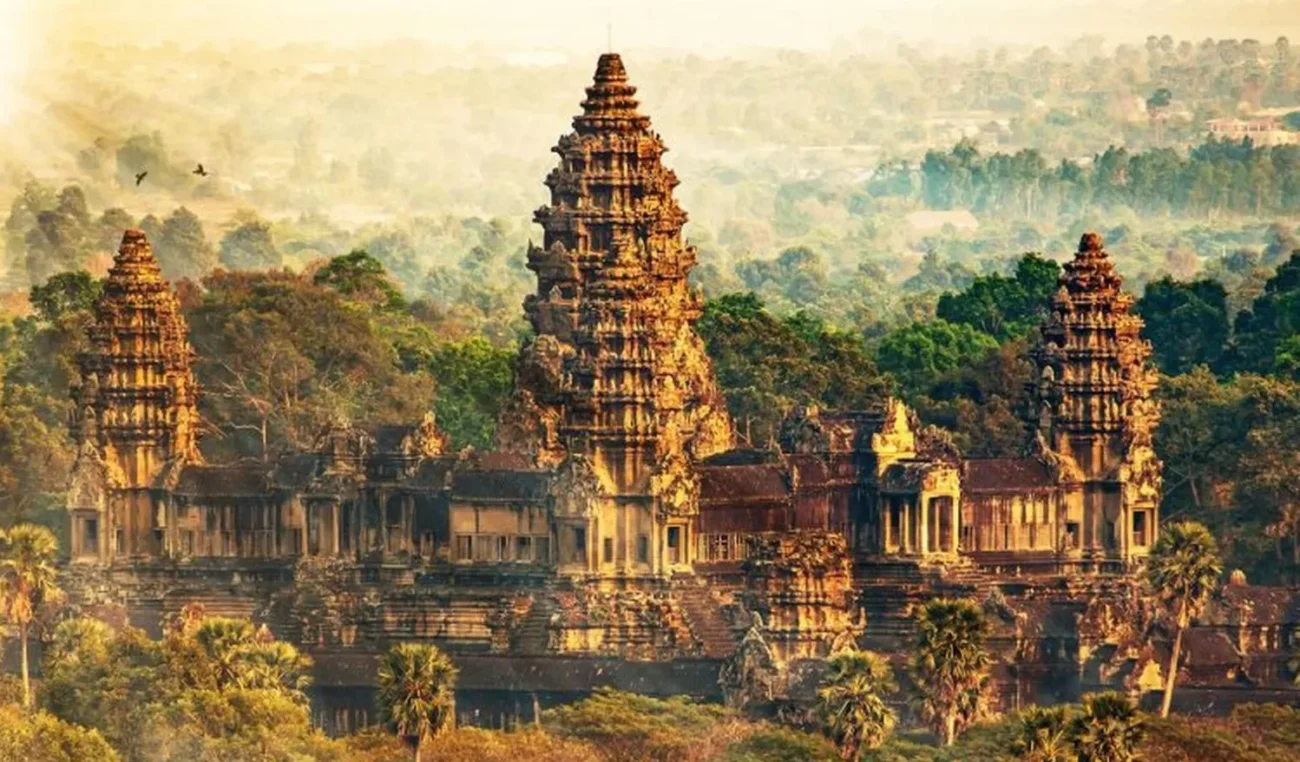
Travel is more than just visiting new places—it’s about understanding the soul of a destination. One of the most meaningful ways to do that is by exploring cultural heritage sites. These places preserve the history, traditions, and identity of civilizations, offering travelers a deeper connection to the past while enriching their present experiences.
What Are Cultural Heritage Sites?
Cultural heritage sites are locations that hold significant historical, cultural, or architectural value. These can include ancient ruins and archaeological sites, historic buildings and monuments, religious landmarks such as temples, mosques, and churches, as well as cultural landscapes and traditional villages.
Many of these sites are recognized by organizations like UNESCO as World Heritage Sites, meaning they are considered valuable not just to a specific country, but to humanity as a whole.
Why Cultural Heritage Sites Matter
Cultural heritage sites play an important role in preserving history. They act as living records of human civilization, telling stories of past societies, their achievements, struggles, and ways of life. Visiting these places allows you to experience history firsthand rather than just reading about it.
They also promote cultural understanding. Exploring heritage sites helps you learn about traditions, beliefs, and customs that may be different from your own, fostering respect and global awareness.
Another important aspect is their contribution to local communities. Tourism at heritage sites supports the local economy, creates jobs, and encourages the preservation of traditional crafts and practices.
For local people, these sites are symbols of identity and pride. They help communities stay connected to their roots and pass traditions to future generations.
Famous Cultural Heritage Sites Around the World
The Pyramids of Giza in Egypt are among the oldest and most iconic heritage sites, showcasing the engineering brilliance of ancient Egypt.
The Taj Mahal in India stands as a symbol of love and architectural beauty, attracting millions of visitors each year.
The Great Wall of China stretches across vast distances and reflects the strength and determination of ancient Chinese civilization.
Machu Picchu in Peru, located high in the Andes Mountains, offers a glimpse into the advanced culture of the Inca civilization.
Cultural Heritage Sites in Bangladesh
Bangladesh is home to several remarkable cultural heritage sites. Mahasthangarh is one of the oldest archaeological sites in the country, offering insights into ancient urban life.
Paharpur Buddhist Monastery, a UNESCO World Heritage Site, showcases the rich Buddhist heritage of the region.
The Sixty Dome Mosque (Shat Gombuj Masjid) is a stunning example of Islamic architecture, while Lalbagh Fort in Dhaka reflects the grandeur of the Mughal era.
These sites highlight the diverse cultural influences that have shaped Bangladesh over centuries.
Tips for Exploring Cultural Heritage Sites
Before visiting any heritage site, it is helpful to do some research about its history and significance. This makes the experience more meaningful and engaging.
Respecting local culture is essential. Dress appropriately, follow site rules, and be mindful of traditions, especially in religious or sacred places.
Hiring a local guide can greatly enhance your experience, as they can share stories and insights that are not easily found elsewhere.
Responsible travel is also important. Avoid damaging structures, littering, or behaving in ways that could harm the site.
Take your time while exploring. Observe the details, architecture, and surroundings to fully appreciate the significance of the place.
The Role of Technology in Heritage Exploration
Technology has made it easier to explore cultural heritage sites. Virtual tours allow people to visit historical locations from anywhere in the world. Augmented reality enhances on-site experiences by showing reconstructions of ancient structures.
Mobile apps also provide interactive guides and historical information, making exploration more engaging and informative.
Challenges Facing Cultural Heritage Sites
Despite their importance, many cultural heritage sites face serious challenges. Climate change is causing erosion and damage to many historic structures. Over-tourism can lead to wear and tear, while urban development often threatens historic areas.
In some cases, lack of funding or neglect puts these sites at risk. Protecting them requires cooperation between governments, organizations, and travelers.
Why You Should Explore Cultural Heritage Sites
Exploring cultural heritage sites is not just about sightseeing. It is about connecting with history, understanding different cultures, and experiencing stories that have shaped the world.
These experiences broaden your perspective, deepen your appreciation for diversity, and create lasting memories.
Conclusion
Cultural heritage sites are treasures that connect us to our past while guiding our future. Whether you are visiting ancient ruins, historic cities, or sacred landmarks, each journey offers a chance to learn and grow.
By exploring these sites responsibly, you contribute to preserving the world’s cultural legacy for future generations. Next time you travel, go beyond the usual attractions and discover the rich stories hidden within cultural heritage sites.
Also Read: How to Handle Travel Emergencies: A Complete Guide for Safe and Stress-Free Trips

Passionate about grammar, language devices, and writing tips, I help writers improve their skills. At boromags.com, I share insights on plural nouns, sentence structure, and clarity. My goal is to make writing easy, engaging, and error-free for everyone.