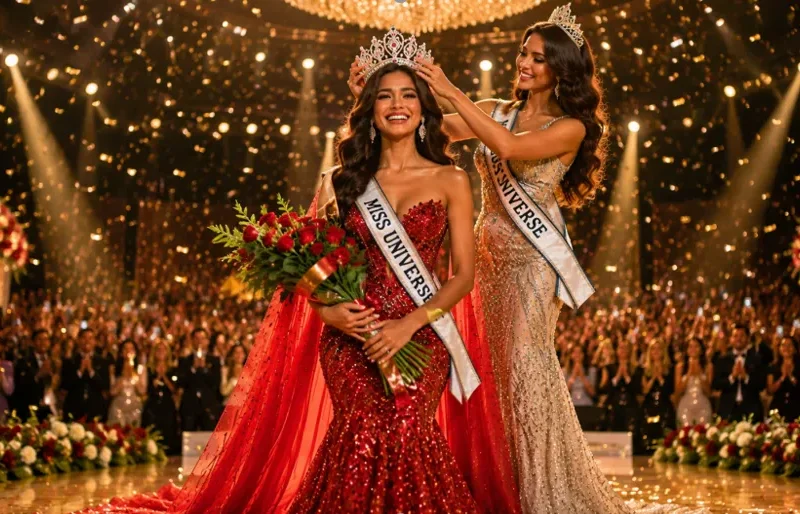

The global fashion industry is one of the most dynamic and competitive markets in the world. With thousands of brands competing for consumer attention, fashion marketing and branding have become essential tools for success. Beyond creating stylish products, brands must tell compelling stories, establish emotional connections, and maintain a consistent identity across all platforms. In today’s digital-first landscape, effective fashion marketing and branding can make the difference between a thriving label and one that fades into obscurity.
Understanding Fashion Marketing
Fashion marketing refers to the strategies and activities used to promote clothing, accessories, and lifestyle products to target audiences. It goes far beyond advertising—it includes market research, consumer behavior analysis, trend forecasting, pricing strategies, and distribution channels.
At its core, fashion marketing is about understanding what consumers want and presenting products in a way that resonates with their lifestyle and aspirations. This involves identifying a target audience based on demographics, preferences, and purchasing habits. For example, luxury brands target affluent consumers seeking exclusivity, while fast fashion brands focus on affordability and trend accessibility.
Digital transformation has reshaped fashion marketing significantly. Social media platforms like Instagram, TikTok, and Pinterest now play a crucial role in showcasing collections, engaging audiences, and driving sales. Influencer marketing, in particular, has become a dominant force, allowing brands to reach niche audiences through trusted personalities.
The Role of Branding in Fashion
Branding in fashion is about creating a unique identity that distinguishes a brand from its competitors. It encompasses the brand name, logo, color palette, messaging, tone, and overall aesthetic. More importantly, branding defines how customers perceive a company.
A strong fashion brand communicates a clear story and consistent values. For instance, brands like Nike emphasize performance and empowerment, while Chanel represents timeless elegance and luxury. This clarity helps consumers form emotional connections, which often leads to brand loyalty.
In the fashion industry, branding is not just visual—it’s experiential. Every interaction, from website design to packaging and customer service, contributes to the brand image. Successful brands ensure that their identity is reflected consistently across all touchpoints.
Importance of Storytelling in Fashion Branding
Storytelling is a powerful element of fashion branding. Consumers today are not just buying products; they are buying experiences, values, and narratives. A compelling brand story can elevate a simple garment into a meaningful purchase.
For example, sustainable fashion brands often highlight their commitment to ethical production and environmental responsibility. By sharing stories about their supply chain, materials, and impact, they build trust and appeal to conscious consumers.
Storytelling also plays a key role in marketing campaigns. Seasonal collections, runway shows, and advertising campaigns are often built around themes that evoke emotion and inspire audiences. This creative approach helps brands stand out in a crowded market.
Digital Marketing Strategies in Fashion
Digital marketing has revolutionized how fashion brands reach their audiences. Some of the most effective strategies include:
1. Social Media Marketing
Platforms like Instagram and TikTok allow brands to showcase their products visually and engage directly with consumers. Features like reels, stories, and live sessions create interactive experiences.
2. Influencer Collaborations
Partnering with influencers helps brands tap into established audiences. Micro-influencers, in particular, often deliver higher engagement rates due to their authenticity.
3. Content Marketing
Blogs, videos, and style guides provide valuable information while subtly promoting products. This approach helps build authority and trust.
4. Email Marketing
Personalized email campaigns keep customers informed about new collections, promotions, and exclusive offers.
5. Search Engine Optimization (SEO)
Optimizing websites with relevant keywords, high-quality content, and fast loading speeds ensures better visibility on search engines, driving organic traffic.
Building a Strong Brand Identity
Creating a strong brand identity requires a strategic approach. Here are key elements to consider:
Consistency:
Maintaining a uniform look and message across all platforms reinforces brand recognition.
Authenticity:
Consumers value genuine brands that stay true to their values and mission.
Visual Appeal:
High-quality imagery, cohesive color schemes, and distinctive design elements are essential in fashion branding.
Customer Experience:
From browsing to purchasing and post-sale service, every interaction should reflect the brand’s personality.
The Impact of Sustainability on Fashion Branding
Sustainability has become a major trend shaping fashion marketing and branding. Modern consumers are increasingly aware of environmental and ethical issues, and they expect brands to take responsibility.
Brands that embrace sustainable practices—such as using eco-friendly materials, reducing waste, and ensuring fair labor conditions—can differentiate themselves in the market. Transparent communication about these efforts enhances credibility and builds trust.
Sustainability is no longer just a marketing tactic; it’s becoming a core aspect of brand identity. Companies that fail to address these concerns risk losing relevance among conscious consumers.
Challenges in Fashion Marketing and Branding
Despite its opportunities, fashion marketing comes with several challenges:
Rapidly Changing Trends:
Fashion trends evolve quickly, making it difficult for brands to stay relevant.
High Competition:
The industry is saturated with both established players and emerging designers.
Consumer Expectations:
Modern consumers demand personalization, fast delivery, and seamless experiences.
Digital Noise:
Standing out in a crowded online space requires creativity and innovation.
To overcome these challenges, brands must remain agile, continuously analyze market trends, and adapt their strategies accordingly.
Future Trends in Fashion Marketing
The future of fashion marketing and branding is driven by technology and innovation. Some emerging trends include:
Artificial Intelligence (AI):
AI is being used for personalized recommendations, trend forecasting, and customer insights.
Augmented Reality (AR):
Virtual try-ons and immersive shopping experiences are transforming online retail.
Metaverse Fashion:
Digital clothing and virtual fashion shows are gaining popularity, especially among younger audiences.
Data-Driven Marketing:
Advanced analytics enable brands to create highly targeted campaigns and improve customer engagement.
Conclusion
Fashion marketing and branding are essential components of success in the modern fashion industry. By combining creativity with strategic thinking, brands can build strong identities, connect with their audiences, and stand out in a competitive market.
From storytelling and digital marketing to sustainability and innovation, every aspect plays a role in shaping how a brand is perceived. As the industry continues to evolve, brands that embrace change and prioritize authenticity will be best positioned for long-term growth.
Also Read: Capsule Wardrobe Guide

Passionate about grammar, language devices, and writing tips, I help writers improve their skills. At boromags.com, I share insights on plural nouns, sentence structure, and clarity. My goal is to make writing easy, engaging, and error-free for everyone.