
Car modification culture has evolved from a niche hobby into a worldwide movement that blends creativity, engineering, and personal identity. From subtle aesthetic tweaks to extreme performance upgrades, car enthusiasts across the globe are transforming ordinary vehicles into unique statements of style and power. This culture is not just about cars—it’s about passion, community, and self-expression.
What Is Car Modification Culture?
Car modification culture refers to the practice of customizing vehicles to enhance their appearance, performance, or functionality. These modifications can range from simple changes like custom paint jobs and alloy wheels to complex engine tuning and suspension upgrades. Enthusiasts often modify their cars to stand out, improve driving experience, or align their vehicles with a specific subculture.
This culture has deep roots in automotive history, particularly in countries like Japan, the United States, and Germany, where distinct styles and philosophies have emerged. Over time, it has spread globally, fueled by social media, car shows, and online communities.
Types of Car Modifications
Car modifications generally fall into three main categories: aesthetic, performance, and functional.
1. Aesthetic Modifications
These changes focus on the visual appeal of the car. Popular aesthetic modifications include:
- Custom paint and wraps
- Body kits and spoilers
- LED lighting and underglow
- Alloy wheels and low-profile tires
Aesthetic upgrades allow owners to showcase their personality and creativity. For many, the visual impact is just as important as performance.
2. Performance Modifications
Performance upgrades aim to improve speed, handling, and overall driving dynamics. Common examples include:
- Engine tuning and ECU remapping
- Turbochargers and superchargers
- Upgraded exhaust systems
- Suspension and brake enhancements
Performance tuning is especially popular among racing enthusiasts and those who enjoy high-speed driving.
3. Functional Modifications
These modifications improve the practicality or usability of a vehicle. Examples include:
- Off-road upgrades like lift kits and all-terrain tires
- Improved lighting for night driving
- Audio system enhancements
- Interior comfort upgrades
Functional modifications are often seen in off-road and utility vehicle communities.
Popular Car Modification Subcultures
Car modification culture is diverse, with several subcultures that have gained international recognition:
JDM (Japanese Domestic Market)
Originating in Japan, JDM culture focuses on importing and modifying Japanese cars like the Nissan Skyline, Toyota Supra, and Honda Civic. It emphasizes clean design, performance, and authenticity.
Stance Culture
This subculture prioritizes aesthetics, particularly how a car “sits” on the road. Lowered suspension, extreme wheel angles, and wide-body kits are common features.
Muscle Car Culture
Popular in the United States, this focuses on powerful V8 engines and classic cars like the Ford Mustang and Chevrolet Camaro.
Euro Style
European car modification often emphasizes luxury, precision, and subtle enhancements, particularly with brands like BMW, Audi, and Volkswagen.
Off-Road and 4×4 Culture
This group modifies vehicles for rugged terrains, focusing on durability and capability rather than speed or aesthetics.
The Role of Technology in Car Modification
Modern technology has revolutionized car modification. Advanced diagnostic tools, software tuning, and 3D printing have made it easier than ever to customize vehicles. ECU remapping, for instance, allows drivers to optimize engine performance through software changes rather than mechanical upgrades.
Additionally, online platforms like YouTube, Instagram, and automotive forums have created a global network of enthusiasts. Tutorials, reviews, and showcases inspire newcomers and help spread trends rapidly.
Car Meets and Events
Car modification culture thrives on community interaction. Car meets, exhibitions, and competitions bring enthusiasts together to showcase their vehicles and exchange ideas. Events like SEMA (Specialty Equipment Market Association) in the U.S. and Tokyo Auto Salon in Japan are among the most prestigious in the world.
Local car meets also play a significant role, offering a space for enthusiasts to connect, learn, and celebrate their shared passion.
Legal and Safety Considerations
While car modification is exciting, it comes with legal and safety responsibilities. Different countries have regulations regarding vehicle modifications. For example:
- Excessive noise from modified exhausts may be illegal
- Underglow lighting is restricted in many regions
- Engine modifications must meet emission standards
Safety is equally important. Poorly executed modifications can compromise vehicle stability and increase the risk of accidents. Responsible enthusiasts prioritize professional installation and compliance with local laws.
Economic Impact of Car Modification Culture
The car modification industry is a multi-billion-dollar market. It includes manufacturers of aftermarket parts, tuning shops, and accessory brands. This industry supports thousands of jobs worldwide, from engineers and designers to mechanics and content creators.
E-commerce has further boosted the market, making parts and accessories accessible to enthusiasts globally.
Environmental Concerns
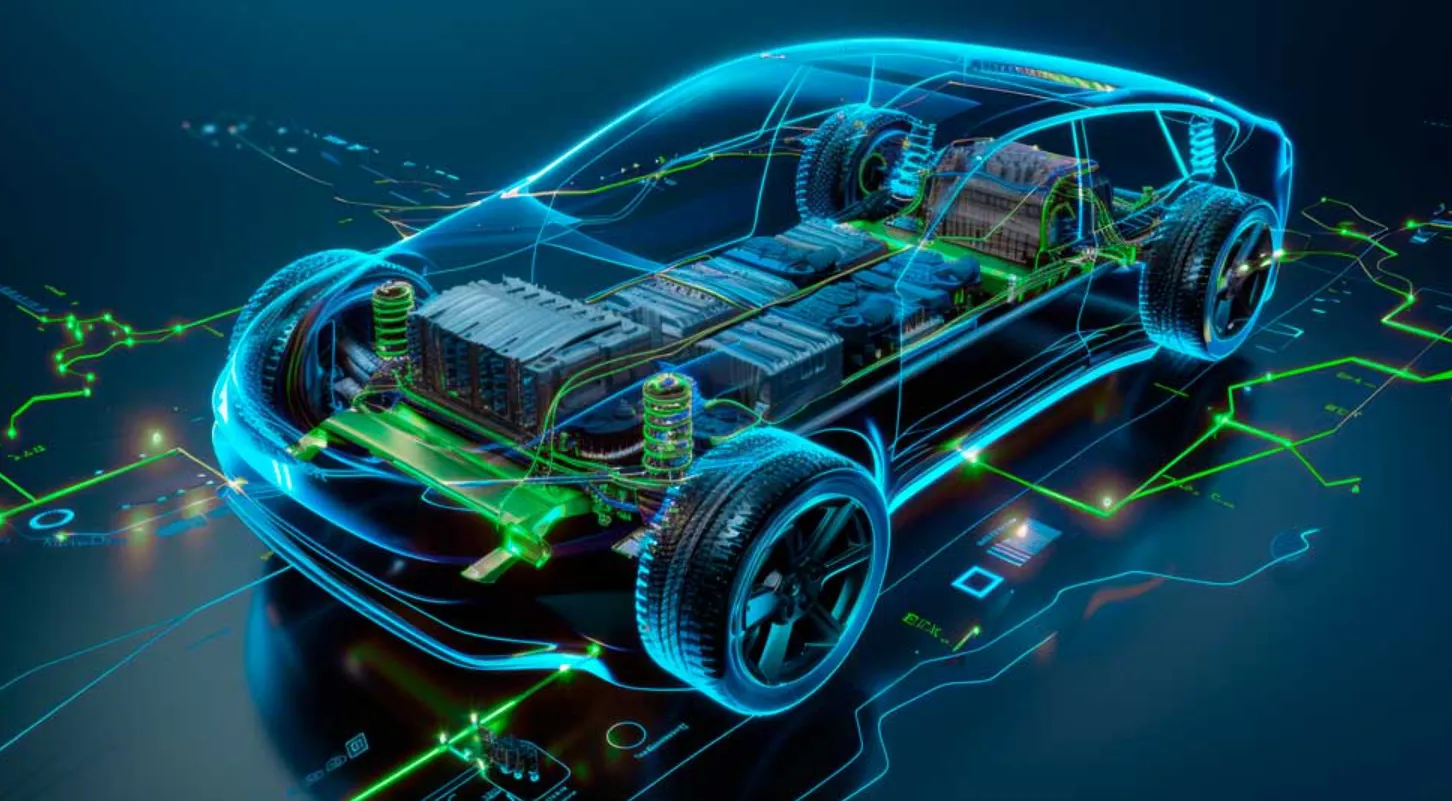
As environmental awareness grows, the modification community is adapting. Eco-friendly modifications, such as improving fuel efficiency or converting cars to electric power, are gaining popularity. Some enthusiasts are even modifying electric vehicles (EVs), proving that sustainability and customization can coexist.
Why People Love Car Modification
Car modification is more than just a hobby—it’s a form of identity. Enthusiasts often describe their cars as an extension of themselves. The process of building and refining a vehicle provides a sense of accomplishment and pride.
For some, it’s about performance and speed. For others, it’s about aesthetics and creativity. And for many, it’s about being part of a community that shares the same passion.
The Future of Car Modification Culture
The future of car modification culture looks promising, with emerging trends shaping its evolution:
- Electric Vehicle Modding: As EVs become more common, customization options will expand.
- Smart Technology Integration: AI and IoT will enable smarter modifications.
- Sustainable Upgrades: Eco-friendly materials and energy-efficient solutions will gain traction.
- Virtual Customization: Digital tools will allow enthusiasts to design and preview modifications before applying them.
Conclusion
Car modification culture is a dynamic and ever-evolving phenomenon that continues to inspire millions worldwide. It combines art, engineering, and individuality, creating a unique blend of creativity and technical expertise. Whether it’s a sleek street racer, a rugged off-roader, or a stylish show car, modified vehicles tell stories about their owners.
As technology advances and global communities grow stronger, car modification culture will only become more diverse and innovative. For enthusiasts, it’s not just about driving—it’s about building, expressing, and belonging.
Also Read: Future of Mobility: How Ride-Sharing and Car-Sharing Are Transforming Transportation

Passionate about grammar, language devices, and writing tips, I help writers improve their skills. At boromags.com, I share insights on plural nouns, sentence structure, and clarity. My goal is to make writing easy, engaging, and error-free for everyone.