
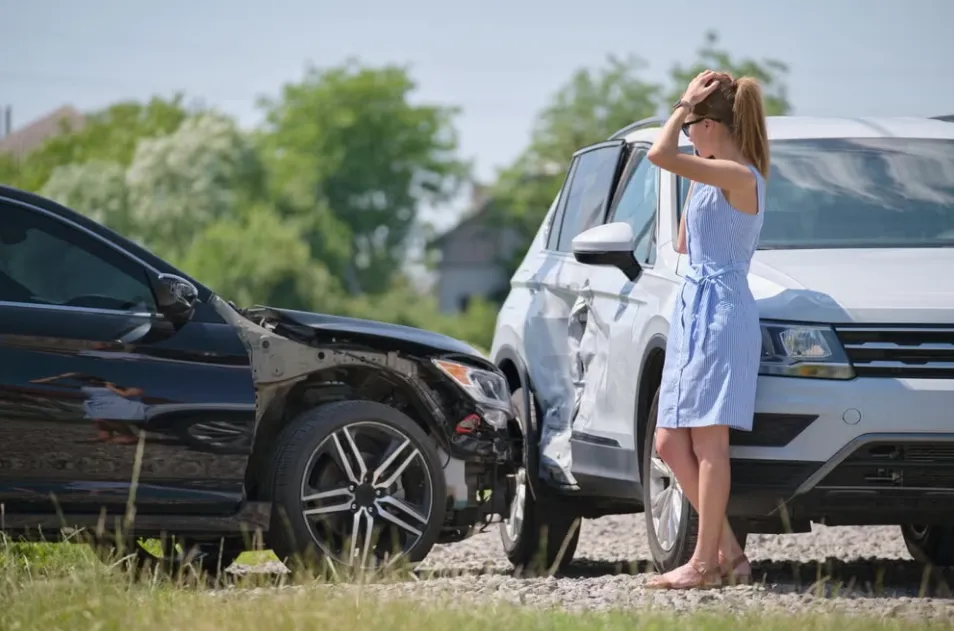
T-bone accidents are among the most serious types of vehicle collisions on the road. These crashes occur when the front of one vehicle strikes the side of another, forming a “T” shape at the point of impact. While they may not always be as deadly as head-on crashes, the consequences can still be devastating for everyone involved.
According to the Insurance Institute for Highway Safety, t-bone accidents accounted for 23% of passenger car occupant fatalities in a single year. That statistic alone underscores just how dangerous these collisions can be.
How Liability is Determined in T-Bone Accidents
It Is Not Always Obvious Who Is at Fault
Many people assume that whoever struck the other vehicle is automatically responsible. In reality, liability in t-bone accidents is determined by which driver had the legal right of way at the time of the collision. Both vehicles cannot share the right of way, meaning one driver was lawfully proceeding while the other failed to yield.
The driver who violates the other’s right of way is generally held responsible. However, determining this is rarely straightforward, especially when physical evidence at the scene is limited or unclear.
The Role of Witness Testimony
Because physical evidence is often scarce at the scene of t-bone accidents, the accounts of drivers and eyewitnesses carry significant weight. The most credible and consistent version of events often determines who is found at fault.
This is why it is important to gather witness contact information and document as much as possible immediately following a collision. A strong account of what happened can make or break a liability claim.
Can the Driver With the Right of Way Still Be at Fault?
Yes, in certain circumstances, even the driver who had the right of way can bear some responsibility for a T-bone accident. Courts and insurance adjusters look at the full picture of each driver’s behavior leading up to the crash.
A driver with the right of way may be found partially at fault if they were:
- Speeding at the time of the collision
- Driving without headlights in low-visibility conditions
- Distracted by a phone, radio, or other device
- Driving under the influence of alcohol or drugs
- Crossing multiple lanes of traffic before impact
Third-Party Liability in T-Bone Accidents
When Drivers Are Not the Only Ones Responsible
T-bone accidents are not always caused solely by driver error. In some cases, outside parties are responsible for, or share in, the crash. Understanding these possibilities is important when building a comprehensive legal claim.
A repair shop or service center, for example, could be held liable if faulty brake work or improperly repaired headlights contributed to the accident. If a vehicle’s safety systems were not restored to proper working condition, the shop that performed the work may face legal consequences.
Defective Traffic Control Equipment
Malfunctioning traffic signals are another potential factor in t-bone accidents. When traffic lights go dark or malfunction, drivers may not realize they are approaching an intersection, leading to catastrophic collisions.
In rare but documented cases, a traffic control system error has sent conflicting signals to drivers, giving one a green light while signaling another to turn. When this happens, the government agency or contractor responsible for maintaining that equipment may be included as a liable party in the claim.
Compensation Available After T-Bone Accidents
Monetary Damages
Victims of t-bone accidents may be entitled to recover both monetary and non-monetary damages. Monetary damages are intended to compensate for financial losses resulting directly from the crash and injuries.
These typically include:
- Medical expenses, including emergency care and ongoing treatment
- Lost wages from time missed at work
- Costs of vehicle repair or replacement
- Physical rehabilitation and therapy
- Future medical costs and prescription expenses
These damages are generally straightforward to calculate because they are tied to documented bills, receipts, and wage records.
Non-Monetary Damages
Not every loss from a t-bone accident comes with a price tag. Non-monetary damages address the broader, more personal toll that a serious injury takes on a victim’s life.
These can include:
- Pain and suffering
- Emotional distress and mental anguish
- Loss of companionship or consortium
A court evaluates the extent and permanence of the accident’s impact on the victim’s quality of life when determining these amounts. Non-monetary damages tend to be larger in cases where the victim has suffered lasting or life-altering injuries.
Protecting Your Claim After a T-Bone Accident
Be Careful What You Say to Insurance Companies
After t-bone accidents, insurance companies representing the at-fault driver will often reach out quickly. Their goal is to gather statements that reduce their client’s liability or shift more blame onto you.
It is important to avoid giving recorded statements or signing anything before speaking with a legal representative. Even a seemingly innocent comment can be used to diminish the value of your claim.
Document Everything You Can
From the moment a t-bone accident occurs, documentation is critical. Take photographs of vehicle damage, the intersection, traffic signals, and any visible injuries.
Gather the names and contact details of any witnesses present. Seek medical attention promptly, even if injuries seem minor at first, as symptoms can emerge or worsen in the days following the crash.
How an Experienced Attorney Can Help
Navigating the aftermath of t-bone accidents is rarely simple. Questions of liability can involve multiple parties, conflicting accounts, and complex insurance negotiations. An experienced t-bone car accident attorney brings the legal knowledge and investigative resources needed to build a compelling case on your behalf.
Your attorney can gather and preserve evidence, work with accident reconstruction specialists, and negotiate aggressively with insurance companies to pursue the full compensation you deserve. If a fair settlement cannot be reached, a skilled lawyer will be prepared to take your case to court.
If you or a loved one has been injured in a t-bone accident, do not wait to seek legal guidance. The sooner you have an attorney in your corner, the better protected your rights and your future will be.

Passionate about grammar, language devices, and writing tips, I help writers improve their skills. At boromags.com, I share insights on plural nouns, sentence structure, and clarity. My goal is to make writing easy, engaging, and error-free for everyone.