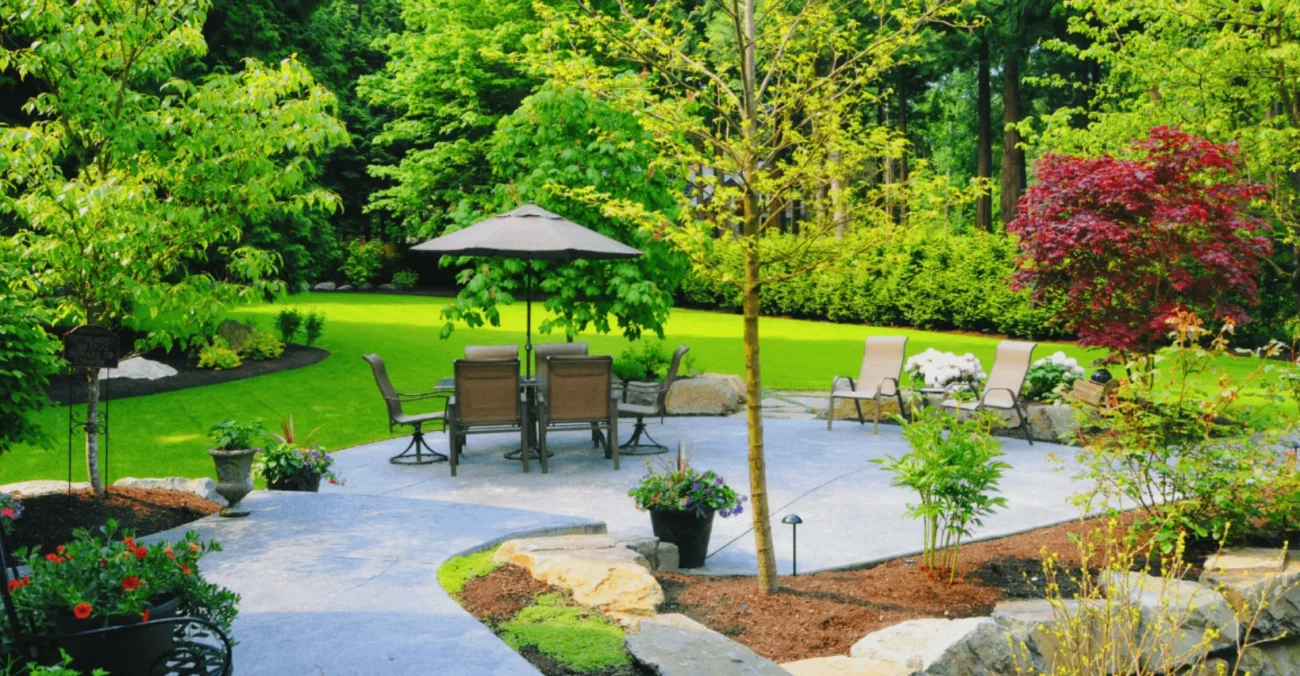
A stunning outdoor space doesn’t have to mean endless hours of watering, trimming, and weeding. With the right approach, you can design a yard that looks beautiful year-round while requiring minimal effort. Whether you’re a busy homeowner or simply want to reduce upkeep, these low-maintenance landscaping tips will help you create a functional and attractive outdoor space without constant work.
🌿 1. Plan Before You Plant
The foundation of a low-maintenance landscape starts with smart planning. Instead of randomly planting flowers or shrubs, take time to design your space.
- Group plants with similar water and sunlight needs
- Choose a simple layout instead of complex designs
- Leave enough space between plants to reduce overcrowding
A well-thought-out plan prevents future problems like overgrowth, excessive watering, and constant rearranging.
🌱 2. Choose Native and Drought-Tolerant Plants
One of the easiest ways to reduce maintenance is by selecting plants that naturally thrive in your region.
Why native plants are ideal:
- Adapted to local climate conditions
- Require less water and fertilizer
- More resistant to pests and diseases
Examples of low-maintenance plants:
- Lavender
- Succulents
- Ornamental grasses
- Local shrubs and perennials
Drought-tolerant plants, also known as xeriscaping plants, are especially useful in areas with limited rainfall.
💧 3. Install Efficient Irrigation Systems
Watering can be one of the most time-consuming landscaping tasks. Switching to a smart irrigation system can save both time and water.
Best options:
- Drip irrigation systems
- Soaker hoses
- Automated sprinkler systems with timers
These systems deliver water directly to plant roots, reducing waste and ensuring your garden stays healthy with minimal effort.
🌾 4. Use Mulch to Reduce Weeds and Watering
Mulching is a simple yet powerful technique for low-maintenance landscaping.
Benefits of mulch:
- Suppresses weed growth
- Retains soil moisture
- Improves soil quality over time
- Enhances the appearance of your garden
Organic mulch like bark, wood chips, or straw works best. Apply a 2–3 inch layer around plants to keep your yard neat and manageable.
🌳 5. Minimize Lawn Areas
Lawns require constant mowing, watering, and fertilizing. Reducing lawn space is one of the smartest ways to lower maintenance.
Alternatives to traditional grass:
- Gravel or stone pathways
- Ground cover plants like clover or creeping thyme
- Artificial turf
- Decorative patios or decks
By replacing large lawn areas, you significantly cut down on weekly chores.
🪴 6. Opt for Perennials Over Annuals
Annual plants need to be replanted every year, which increases both cost and effort. Perennials, on the other hand, come back year after year.
Advantages of perennials:
- Long-term cost savings
- Less frequent planting
- Consistent growth and beauty
Popular low-maintenance perennials include:
- Daylilies
- Hostas
- Coneflowers
These plants provide color and texture without constant replanting.
🪨 7. Incorporate Hardscaping Elements
Hardscaping refers to non-living elements like stone, wood, or concrete. Adding these features reduces the amount of plant care required.
Ideas for hardscaping:
- Stone walkways
- Brick patios
- Gravel beds
- Retaining walls
Not only do these features require little upkeep, but they also add structure and visual appeal to your landscape.
🌼 8. Group Plants Strategically
Plant grouping is an often-overlooked technique that simplifies maintenance.
- Place plants with similar watering needs together
- Keep high-maintenance plants in one area
- Separate fast-growing plants from slow-growing ones
This method makes watering, pruning, and care much more efficient.
✂️ 9. Choose Slow-Growing Plants
Fast-growing plants may seem appealing at first, but they require frequent trimming and pruning.
Instead, go for slow-growing varieties that maintain their shape longer.
Examples:
- Dwarf shrubs
- Compact ornamental trees
- Slow-growing hedges
These plants reduce the need for regular cutting and shaping.
🌍 10. Improve Soil Quality
Healthy soil leads to stronger plants that require less maintenance.
Ways to improve soil:
- Add compost or organic matter
- Ensure proper drainage
- Test soil pH and adjust if needed
When plants grow in nutrient-rich soil, they become more resilient and need less attention.
🧹 11. Keep It Simple
Overcomplicated landscaping designs often lead to more work. Simplicity is key to a low-maintenance yard.
- Limit the number of plant varieties
- Avoid intricate patterns
- Stick to a clean, organized layout
A minimalist design not only looks modern but also saves time and effort.
🌤️ 12. Use Weather-Resistant Materials
Choosing durable materials ensures your landscape stays intact with minimal repairs.
Best materials:
- Stone and concrete for pathways
- Treated wood for outdoor furniture
- Metal edging for garden beds
These materials can withstand harsh weather conditions, reducing long-term maintenance.
🐞 13. Reduce Pest Problems Naturally
Instead of constantly dealing with pests, prevent them from becoming a problem in the first place.
Tips:
- Use pest-resistant plants
- Encourage beneficial insects like ladybugs
- Avoid overwatering, which attracts pests
A balanced ecosystem reduces the need for chemical treatments.
🏡 14. Install Raised Garden Beds
Raised beds are easier to maintain than traditional garden plots.
Benefits:
- Better soil control
- Fewer weeds
- Easier access for planting and harvesting
They also add a neat and organized look to your yard.
🌟 15. Regular but Minimal Maintenance Routine
Even low-maintenance landscapes need some care—but it can be quick and easy.
Simple routine:
- Weekly check for weeds
- Occasional pruning
- Seasonal cleanup
Spending just a little time regularly prevents bigger problems later.
✅ Final Thoughts
Creating a beautiful yard doesn’t mean committing to hours of work every week. By applying these low-maintenance landscaping tips, you can design an outdoor space that is both attractive and easy to manage.
Focus on smart planning, choosing the right plants, reducing lawn areas, and incorporating hardscaping elements. With these strategies, you’ll enjoy a relaxing and visually appealing landscape without the stress of constant upkeep.
Also Read: Voice-Controlled Home Improvements: The Future of Smart Living

Passionate about grammar, language devices, and writing tips, I help writers improve their skills. At boromags.com, I share insights on plural nouns, sentence structure, and clarity. My goal is to make writing easy, engaging, and error-free for everyone.