Warsaw is always busy, which makes it a great place for brands that want to be seen outside the usual online ads and TV spots. So what does ambient advertising in Warsaw look like today? It’s a fast-moving mix of creativity and city space, where normal places become surprising spots for brand messages. This is bigger than standard billboards.
The goal is to place promotions into everyday life so people notice them naturally, often when they least expect it. You can see it in large light displays on buildings, smart ideas inside public transport, and many other city-based formats.
As Poland’s outdoor market becomes more digital, more companies are choosing options like ambient advertising in Warsaw to create strong, local brand moments that people remember.
What Defines Ambient Advertising in Warsaw Today?
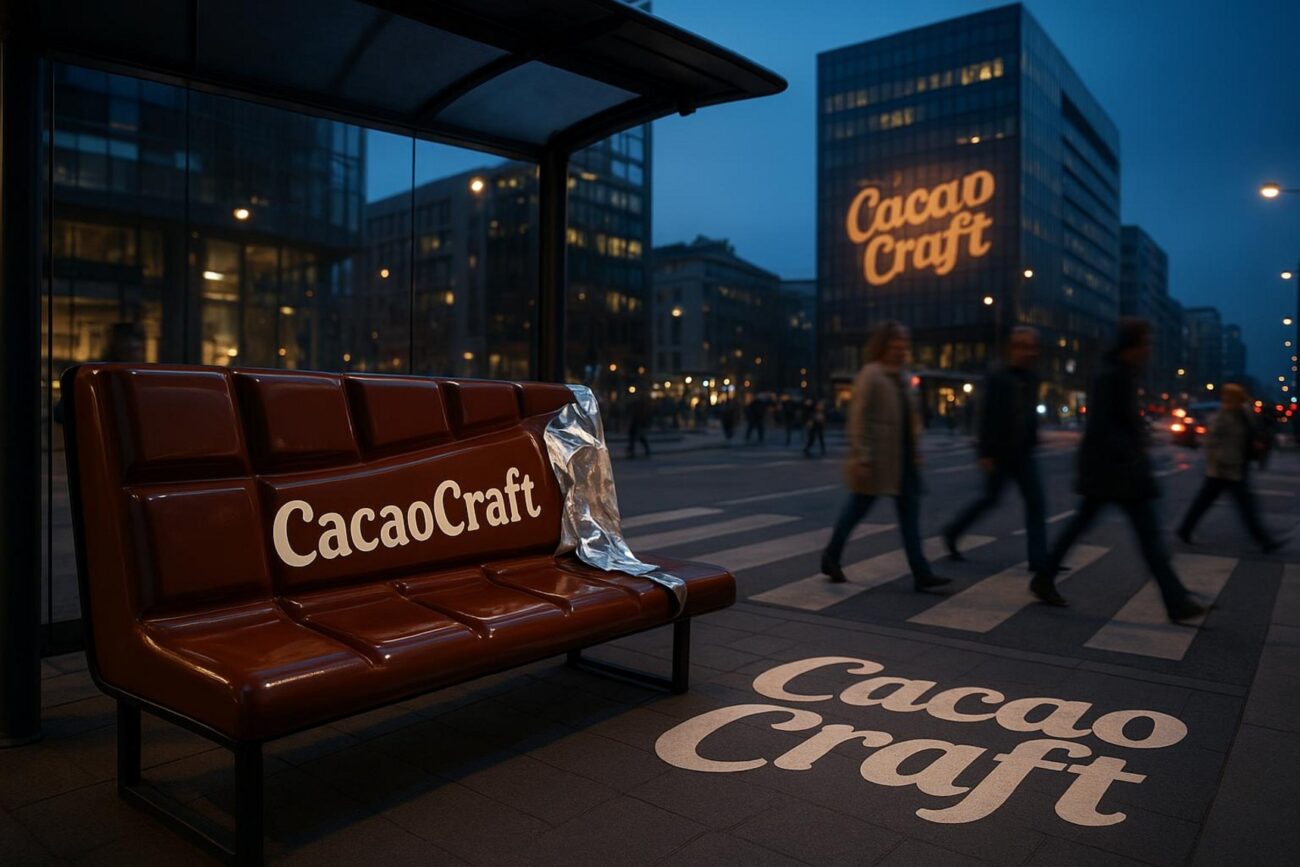
Ambient advertising in Warsaw focuses on place and experience. Instead of loud, obvious ads, it often uses subtle ideas and surprise. A brand message might appear on a bus stop bench, as a decal on a crosswalk, or as a projection on a building.
The main idea is simple: use the location as part of the message. That way, the ad feels less like an interruption and more like something that belongs in the city. Because it feels unexpected, it can spark curiosity and get people talking.
Distinctive Features of Ambient Advertising
Ambient advertising stands out because it can be everywhere, yet still feel unique. Unlike a regular poster, an ambient campaign “fits” the space around it and often plays with what is already there.
It may use parts of a building, street objects, or even weather and light to strengthen the idea. The aim is a small moment of discovery-people notice the brand in a new way and remember it later.
Ambient ads also often work because they create a feeling or a shared moment. In Warsaw, where the streets are crowded and the audience is diverse, campaigns can use local humor, cultural references, or common city experiences to feel closer to people.
Instead of pushing a hard “buy now” message, many ambient campaigns focus on making the brand familiar, likeable, and easy to recall.
How Ambient Advertising Differs from Traditional Out-Of-Home (OOH) and Digital Campaigns
Ambient advertising is usually placed under Out-of-Home (OOH), but it works differently from standard formats. Traditional OOH-like classic billboards (often the 18m² format) and citylights (which bring in close to 70% of traditional OOH revenue in Poland)-depends on fixed, clear placements to reach many people.
These formats are good for constant visibility and broad awareness, but they do not normally “use” the environment the way ambient ads do. In Poland, more than 70% of campaigns still use these classic formats.
Digital Out-of-Home (DOOH) adds moving content and quick updates, turning static screens into flexible communication tools. DOOH can be part of an ambient plan, but ambient advertising is not only about digital screens. Ambient placements can be static and still work well because of smart location and strong relevance. The main difference is this: ambient uses the space itself as part of the idea, traditional OOH places an ad in a space, and DOOH makes the ad change over time.
Major Types and Formats of Ambient Advertising in Warsaw
Warsaw offers many options for ambient advertising. The city has older areas, modern business zones, shopping districts, and busy transport routes. This mix gives brands many ways to reach people in fresh, local ways.
Citylights, Billboards, Murals, and Large-Format Media
Even classic OOH formats can be adapted for ambient impact. Citylights (2.16 m², often at bus stops) and standard 18m² billboards are common, but agencies often change how they look and how they “talk” to the space around them. A citylight might use an illusion that looks different depending on where you stand, or a billboard might be designed to look like part of the building behind it.
Warsaw also has large-format media, such as huge banners and custom constructions that can cover entire building walls. Many use LED lighting to improve visibility while lowering power use.
Murals also play a role, whether they are temporary or long-term. A mural can turn an empty wall into something artistic that still carries a brand message. Some become local points of interest, creating natural attention and a less “salesy” feel than a standard ad. And because many large-format placements are so big, people notice them without having to stop or click anything.

Public Transport: Buses, Trams, Metro, and Street Furniture
Warsaw’s public transport is a moving ad platform. In 2024, advertising on buses, trams, and the metro grew by almost 30% in value, and it often performs better than many online campaigns. Full wraps turn vehicles into mobile surfaces that spread the message across different parts of the city.
Inside, LCD screens can show rotating content, often alongside traditional ad spaces. Street furniture-like shelters (where citylights are usually placed), benches, and bins-also gives brands strong everyday visibility, because commuters pass them again and again.
Another growing element is route tracking in public transport advertising. This makes targeting more precise. Brands can adjust messaging for certain routes, audience groups along those routes, or different times of day. In this way, public transport becomes both a visual channel and a data-driven one.
Interactive Installations and Experiential Zones
This is one of the most modern sides of ambient advertising, especially as DOOH grows. Interactive setups can include touchscreens, augmented reality (AR), or links to mobile phones. For example, a projection in a city space could let people “try on” virtual clothes or play with an animated character connected to the brand. Experiential zones-often short-term pop-ups in shopping malls or transport hubs-create a full brand experience, not just a picture or slogan.
Warsaw is moving quickly in this direction, with more advanced LED screens and interactive displays in key locations. Brands can change messages fast, react to what is happening in the market, and show content that fits the audience and the moment. Events such as “Augmented Advertising & Sales CEE” highlight how AR and VR are becoming more important in outdoor ads, helping brands build stronger product stories and deeper interaction.

Unconventional Placements in Urban Spaces
Ambient advertising often works best in unexpected places. This could mean projecting a logo onto a wall at night, placing floor decals in walking areas, or using natural city elements in a clever way. These “guerrilla” ideas break the usual city routine and create surprising moments. The trick is to spot spaces that people normally ignore and turn them into something worth noticing. These special placements can cost more and often need custom pricing, but they can also stand out more than standard formats.
Emerging Trends Influencing Ambient Advertising
Ambient advertising in Warsaw is changing quickly. Technology, new consumer habits, and stronger focus on the environment are all shaping how brands use the city to communicate.
Adoption of Digital OOH (DOOH) and Real-Time Data
DOOH is growing fast in Poland’s big cities, and Warsaw is leading the shift. In 2024, DOOH rose by 32.2%, reaching PLN 231.85 million, which was close to 29% of the full outdoor market. This growth comes from better LED screens and interactive displays in malls, transport hubs, and major outdoor spots.
DOOH allows ads to change based on the time, weather, or even live events. It also supports programmatic buying, where pricing can be based on impressions instead of a fixed monthly rent. This makes DOOH more flexible and often more accessible, even for smaller companies that want premium locations for a shorter time.
Agencies such as BE Media also help brands choose the right OOH and DOOH formats for specific locations, audiences, and campaign goals.
AI and data analytics also play a bigger role now. AI tools can review trends and public sentiment (including social media signals) and help adjust messaging quickly. Better measurement tools give clearer information about who saw the ad and how the campaign performed, using real data instead of estimates. These changes follow what is already common in many Western European markets, where digital formats are growing every year.
Integration with Social Media and Mobile
People move between offline and online all the time, so ambient campaigns now connect more often with phones and social media. Outdoor ads can lead to follow-up content on a smartphone, keeping the interaction going after someone walks past the ad. With nearly 90% of Poles online and more than 75% using social media, this link between outdoor and digital matters a lot. Common examples include QR codes that open an Instagram filter, or an interactive DOOH screen that asks people to share a moment on TikTok. This approach increases impact and also helps with tracking responses and conversions.
Mobile-first thinking is especially important in Poland, where mobile connections are above 140%. People use smartphones for browsing, shopping, and entertainment, so ambient campaigns work best when they also connect to mobile content in a clear, simple way.

Sustainability: Eco-Friendly Materials and Green Messaging
Environmental awareness is affecting outdoor advertising choices more and more. Many brands and media owners now prefer materials and technology that are better for the environment. LED lighting has already changed illuminated ads by using less power while improving visibility. In some places, solar-powered units are also appearing, which can cut operating costs while supporting greener goals.
Digital formats can also reduce waste because they remove the need for printing, transport, and physical installation of posters. Less material use and less trash are real benefits, and they match the values of many modern brands and consumers. On top of that, some brands use ambient placements to share eco messages, which supports corporate responsibility and can improve how people see the brand.
Personalization and Hyperlocal Targeting
DOOH, combined with real-time data and AI, allows much more personalization and very local targeting. Messages can change based on time, weather, nearby events, and audience signals from mobile data. A brand can show one message in a business area during morning rush hour and a different one in a residential area on a weekend. It can also react quickly to local events, like a sports match or a festival nearby. Programmatic buying, first used mainly for screens, is also starting to influence how brands plan classic placements, using data to pick better locations and timing.
This moves campaigns away from one message for everyone. When the ad fits the place and audience, it feels more relevant, which often leads to stronger interest and better results.
Seasonal and Local Market Dynamics Impacting Campaigns
Warsaw’s seasons and local market patterns strongly affect how ambient campaigns perform. Timing, placement, and creative choices often need to change during the year to match how people move around the city.
How Seasonality Affects Design and Location Choices
Poland’s outdoor market has clear seasonal peaks. Spring and autumn often perform best because the weather is better and more people spend time outside. Bright designs and seasonal themes usually work well, and locations with heavy foot traffic (including parks and leisure areas) become more valuable.
Winter is harder because days are shorter and the weather keeps people indoors. Still, winter can work well in places where crowds gather, such as metro stations, malls, and covered transport locations. Winter themes often focus on warmth, holidays, or indoor life. Summer brings good weather, but it also lowers city traffic because many residents travel. During summer, brands often put more focus on holiday areas outside the city and on main travel routes, where demand for ad spaces can rise.

Population Fluctuations and Tourist Hotspots
Daily commuting and tourism both affect how well ambient ads work in Warsaw. Traffic flow data shows repeatable patterns that change exposure levels. Ads aimed at commuters often work best on main roads and at transport hubs during rush hours. At the same time, flexible work schedules have changed classic commuting routines, so advertisers often spread placements across more locations to match new daily habits.
Tourist areas-like the Old Town, historical sites, and cultural venues-are strong choices for campaigns aimed at visitors. In high tourist months, brands may use visuals that work for an international audience, sometimes adding multiple languages. Knowing where people go, and when, helps brands choose better timing and placements for locals, weekend shoppers, and tourists.
Key Market Metrics: Reach, Exposure, and Engagement
In Poland, outdoor advertising is measured using established metrics and research. Outdoor Track is the main standard and covers the 10 largest urban areas, including Warsaw. It measures traffic levels, tracks routes through GPS, and reviews how visible each ad placement is. It provides key numbers such as Reach (how many people in the target group saw the ad), Frequency (how often), and GRP.
There are also more detailed measures like the Visibility Adjustment Index (VAI) and Visibility Adjusted Contact (VAC), which aim to show how many real contacts a placement gets, adjusted by visibility research such as eye-tracking. Outdoor ads can build reach quickly-often within a few days in a single area-but they still deliver repeated views across a month-long booking.
After the first days, the ad may bring fewer “new” viewers, but it keeps reinforcing the message through repeat exposure. This repeat effect is something online banners and TV often cannot match, because those can be skipped or blocked.
Cost Structure and Budget Considerations for Ambient Advertising
Planning the budget for ambient advertising in Warsaw works best when you understand how pricing is changing. The market includes classic monthly rentals and newer data-based models, so brands can pick what fits their goals and size.
Pricing Models: CPM, Rental, and Creative Production
Outdoor campaign costs are usually made up of three parts:
- Printing costs
- Posting/installation costs
- Exposure costs (the rental or screen time)
For classic media like citylights and billboards, exposure is usually priced as a monthly rental. Citylights can start at a few hundred złoty per unit per month, while larger billboards (36m² and 48m²) can cost several thousand złoty per placement. Printing costs depend on size and material (paper vs. vinyl), and large vinyl formats cost more. Creative work-design plus any special build needed for ambient ideas-can add a lot to the total cost.
Digital formats often use performance-style pricing, commonly CPM (cost per thousand impressions). Instead of paying only for time, advertisers pay based on verified exposure. The final cost depends on location, screen size, number of days, how often the ad plays, and spot length. Ads usually run in loops many times per hour.
Budget Planning: Classic vs. Digital Placements
Brands planning ambient campaigns in Warsaw often compare classic and digital options. For a national traditional OOH campaign across Poland’s eight largest cities, buying around 600 panels can cost about 330,000-360,000 złoty, including print and installation. These campaigns are commonly booked for a full month (or two weeks for citylights).
Digital campaigns can offer similar reach, but spending can be more controlled through programmatic buying. Shorter booking periods make a big difference, because smaller brands can use premium screens for a short time instead of paying for a full month. This works well for product launches, events, and short promotions. One digital screen campaign can cost from a few hundred to several thousand złoty, depending on how many plays you buy.
Hidden Costs and Ways to Maximize ROI
Some costs are easy to miss. Many operators include the first posting in the exposure fee, but extra repostings-like changing the design during the campaign-cost extra and can be several hundred złoty per unit. Custom installations, common in creative ambient work, can also raise costs a lot because they need special production and setup.
To get the most from the budget, brands should review competitor activity and use performance metrics to judge what works. A media agency with local experience can help with planning, pricing, and placement choices. Using digital flexibility (like real-time changes and very local targeting) can also improve cost efficiency by focusing money on the best times and places, which often improves engagement and conversions.
Advantages and Challenges for Businesses in Warsaw’s Ambient Advertising Scene
Ambient advertising in Warsaw offers big benefits for brands that want strong visibility, but it also comes with practical limits and risks. Knowing both helps campaigns run smoother and perform better.
Brand Visibility and Rapid Local Reach
A major benefit is fast local visibility. Unlike online ads that can be blocked, or TV that can be changed, large outdoor placements are hard to ignore. People see them during daily routines, even when they are not looking for ads. In a well-chosen location, an ambient ad can reach most people nearby within a few days because many follow the same routes to work, school, or shops.
Outdoor media also supports very local campaigns. Brands can target certain districts or even specific streets, showing names, products, and logos right where people live and move. For companies that want strong awareness inside Warsaw, ambient formats can create a clear local presence.
Encouraging Creativity and Consumer Interaction
Ambient advertising gives brands room to try new ideas. It supports unusual formats and creative elements that help a message stand out. Murals, unexpected objects, and interactive screens can make a brand feel memorable. DOOH has added new options like real-time updates, weather-based content changes, and better targeting when combined with mobile. Touchscreens, AR, and phone-based interactions can turn a simple view into active participation.
This also helps brands create stories in public space instead of simply broadcasting slogans. A strong idea can lead to social sharing and word-of-mouth, which can spread the campaign beyond the physical location.

Brief Interaction Times and Message Constraints
A key challenge is time. People pass outdoor ads quickly, often seeing them for only a few seconds. That means the message must be very simple. Too much text, small fonts, or complex layouts reduce results because people cannot read them fast enough. Billboards and citylights work best with clear visuals, a short message, and quick recognition.
This forces strong discipline in creative work. Brands need to reduce the message to its main point and rely on strong design and brand cues to make an impact in a short glance.
Risks: Wear, Vandalism, and Regulation
Outdoor ads face physical risks. Wind, snow, and rain can damage posters and banners. If an ad looks worn, it can hurt brand image, and repairs take time. Digital screens are often tougher, but they can still have technical issues or power problems. Vandalism is another risk, especially for placements within easy reach. Defacement can harm reputation, and it can be hard to prevent, especially during tense social or political periods.
Brands also need to follow Polish rules for advertising. This includes language expectations, plus data privacy laws like GDPR for campaigns that use mobile data or tracking. Local agencies can help brands follow legal and ethical requirements and avoid problems caused by non-compliance.
Best Practices and Recommendations for Effective Campaigns
To do well in Warsaw’s ambient advertising market, brands need a clear plan. It’s not just about placing an ad. It’s about matching the city’s habits, mood, and culture.
Understanding Warsaw Consumers and Local Culture
Strong campaigns start with understanding local people. Polish consumers like ads that look professional and give useful information, but many are also careful about price. Local language matters: to connect with people, ads and landing pages should be in Polish, since about 98% speak it as their first language. This is more than translation. Brands should adjust cultural references, local units, and seasonal moments-such as Andrzejki or Christmas traditions-so the message feels familiar and trustworthy. Younger adults (18-34) tend to be tech-focused and expect mobile-friendly experiences, while many people aged 35-54 still respond well to Facebook and email. Matching the message to the audience makes results stronger.
It also helps to watch local habits: where people meet, how they commute, and which areas are busiest at different times. A campaign that reflects Warsaw’s daily life will usually perform better than a generic concept.
Creative Approaches for Memorable Brand Impressions
Because viewing time is short, creative quality matters a lot. Ads should be eye-catching, simple, and easy to understand right away. Strong visuals and professional design are a must. Brands can also think beyond flat posters by using 3D parts, illusions, or interactive features. AR filters that work on smartphones, or designs that play with natural light and shadows on a building, can turn an ad into something people share. Keeping the layout clean and focused on one strong message helps it stand out in a busy city.
Humor and emotional messages often do well on Polish social media, and these tones can work in ambient ads too. High production quality and smart use of cultural trends can help a brand get noticed.
Tips for Partnering with Local Media Vendors
Working with experienced local partners makes outdoor planning easier in Poland. Local agencies know which media owners perform well, how to negotiate inventory, and what styles work best with local audiences. They can also help brands follow Polish advertising rules, including language requirements in regulated sectors like finance or pharmaceuticals.
Agencies certified by IAB Polska, or partnered with Google and Meta, often have updated tools and market knowledge. Direct relationships with media owners can also open access to premium placements and special formats. Brands can also combine outdoor with local online channels, such as a Polish news portals, to extend reach across multiple platforms. These partnerships help improve placement choices, budget use, and legal compliance.
Measuring Success: Key Performance Metrics and Tools
Measuring ambient campaigns in Warsaw usually means combining classic OOH research with digital analytics. Outdoor Track supports Reach, Frequency, and GRP measurement. For DOOH, newer tools can report audience profiles, engagement, and performance over time. Campaigns can then be adjusted during the run by changing content, schedule, or targeting based on real results.
Brands should also track supporting signals such as social mentions, user-generated content linked to installations, and web visits from QR codes or specific call-to-action messages. Combining outdoor exposure with online retargeting and conversion tracking across channels gives a fuller view of how people move from awareness to action. Google Analytics, plus local tools like Gemius or PBI for reach measurement, can help build a clearer picture of performance.
Key Takeaways for Brands Considering Ambient Campaigns in Warsaw
As Warsaw keeps changing and growing, ambient advertising remains a strong option that many brands still do not use enough. Future success here is not only about bigger screens or louder displays. It’s about smarter ideas, better fit with the city, and more responsible choices. Brands that do well will treat the city as part of the story, not just a background.
The best results often come from mixing classic reach with digital precision. A mural can do more when it connects to real-time audience patterns, and a bus wrap can work even better if it leads commuters to local offers on their phones. This requires creative concepts that can be measured and adjusted during the campaign, with clear ROI goals. At the same time, as more people care about the environment, greener materials and honest eco messaging are becoming a normal expectation that can build trust and improve reputation. Warsaw offers plenty of space for brands that are ready to bring new ideas, speak in a local voice, and spend wisely-creating campaigns people remember because they feel like part of the city.
Frequently Asked Questions About Ambient Advertising in Warsaw
What are the most cost-effective ambient advertising formats in Warsaw?
For classic ambient formats, citylights (2.16 m², usually at bus stops) and 12 m² panels are often among the cheapest options. Monthly prices can start at a few hundred złoty per unit. Larger formats like 18m² billboards are common but cost more. For digital ambient, good value often comes from programmatic buying and short booking periods. This lets smaller businesses use premium locations for a limited time and pay based on impressions and engagement instead of fixed monthly rent.
How important is localization for campaign success?
Localization is extremely important in Warsaw. People expect Polish language ads and cultural details that feel familiar. Campaigns that adapt language, tone, visuals, and seasonal traditions (like Christmas or local holidays) usually perform much better and build trust faster. If a brand ignores localization, the ad can feel strange or irrelevant, which lowers impact. Local agencies can help with cultural fit and correct language.
Who commonly invests in ambient or OOH campaigns in Warsaw?
In Poland, OOH spending is strongest in a few sectors. In 2024, Retail led with 15%, followed by Telecom (13%), Media (12%), and Food (11%). Beverages and alcohol also had a strong share (8%). Public transport advertising-often a good match for ambient ideas-also gets spending from these sectors and from local governments (which have increased activity). In DOOH, the mix is similar, with food slightly higher and retail slightly lower. In practice, any brand that wants city-wide awareness, quick local sales, or memorable public experiences can benefit from ambient formats.
What regulations should brands be aware of?
Brands in Warsaw need to follow Polish advertising rules, including language expectations (ads should be in Polish). Data privacy rules like GDPR and the EU ePrivacy directive matter a lot for digital ambient campaigns that connect with mobile data. Poland applies strict consent standards, so advertisers must rely on first-party data and clear opt-ins (for example through cookie banners).
There are also rules on placement, size, and lighting of outdoor media, often handled by local authorities. Working with local agencies helps brands stay compliant and avoid fines or reputation issues.
How does digital transformation affect ambient advertising?
Digital change is reshaping ambient advertising by shifting it from static displays to dynamic and interactive platforms (DOOH). This supports fast updates based on triggers like weather, time, and events, plus stronger targeting using audience data. It also supports programmatic buying, better measurement, and faster campaign updates without changing physical posters.
Digital formats also connect more easily with social media and mobile, so outdoor ads can start a longer customer journey across channels. Overall, this makes ambient advertising easier to measure, more flexible, and more engaging.

Passionate about grammar, language devices, and writing tips, I help writers improve their skills. At boromags.com, I share insights on plural nouns, sentence structure, and clarity. My goal is to make writing easy, engaging, and error-free for everyone.