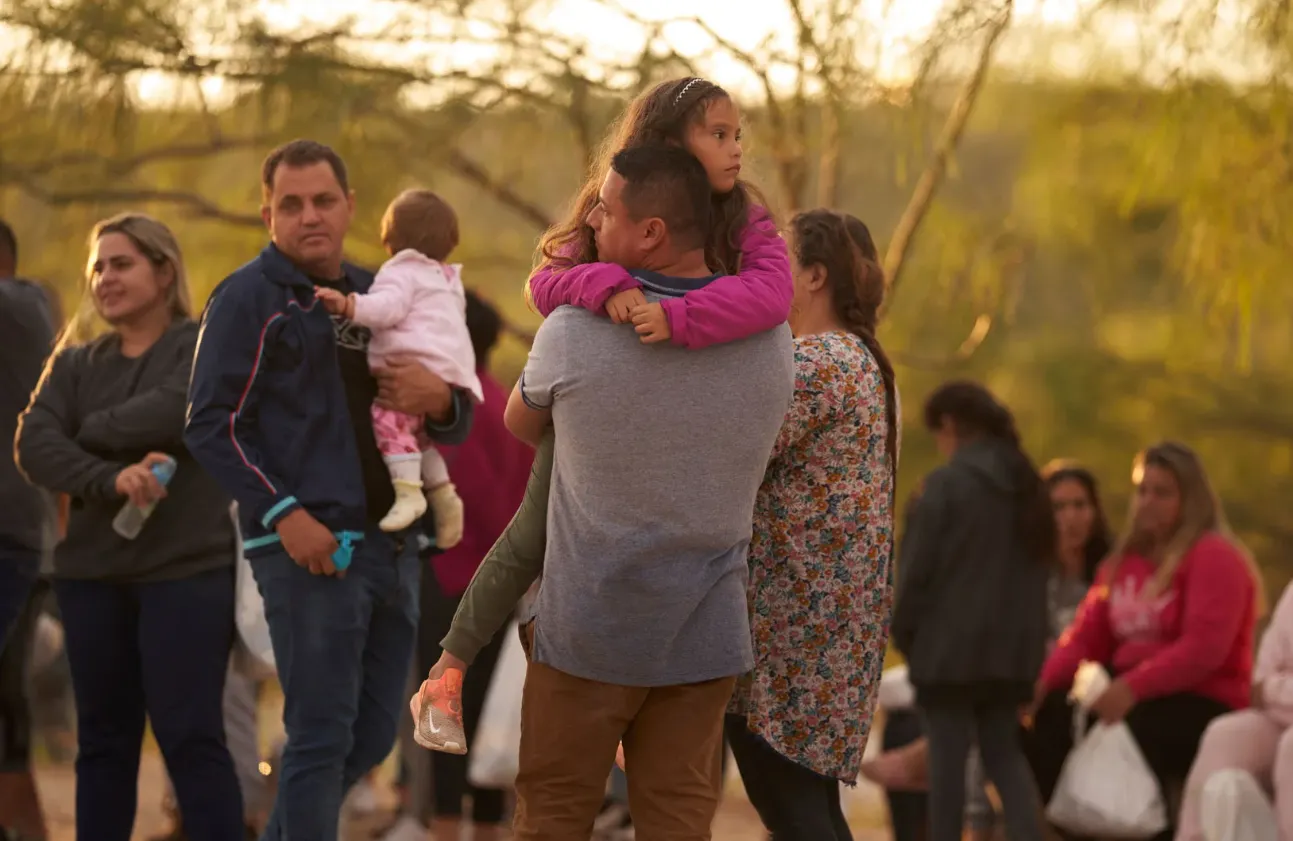
The global migration crisis has become one of the most pressing humanitarian and political issues of the 21st century. Millions of people are forced to leave their homes due to conflict, persecution, climate change, and economic instability. At the center of this crisis lies refugee law—a legal framework designed to protect individuals fleeing danger. However, as migration patterns evolve and crises intensify, existing refugee laws face growing challenges in addressing modern realities.
Understanding Refugee Law
Refugee law is primarily governed by the 1951 Refugee Convention and its 1967 Protocol, which define who qualifies as a refugee and outline the rights of displaced individuals and the responsibilities of nations. According to this framework, a refugee is someone who has fled their country due to a well-founded fear of persecution based on race, religion, nationality, political opinion, or membership in a particular social group.
A key principle of refugee law is non-refoulement, which prohibits countries from returning refugees to places where their lives or freedom are at risk. This principle is widely regarded as a cornerstone of international human rights law.
The Scale of the Global Migration Crisis
The global migration crisis is unprecedented in scale. According to recent estimates, over 100 million people worldwide are forcibly displaced. This includes refugees, asylum seekers, and internally displaced persons. Conflicts in regions such as Syria, Ukraine, Afghanistan, and parts of Africa have significantly contributed to these numbers.
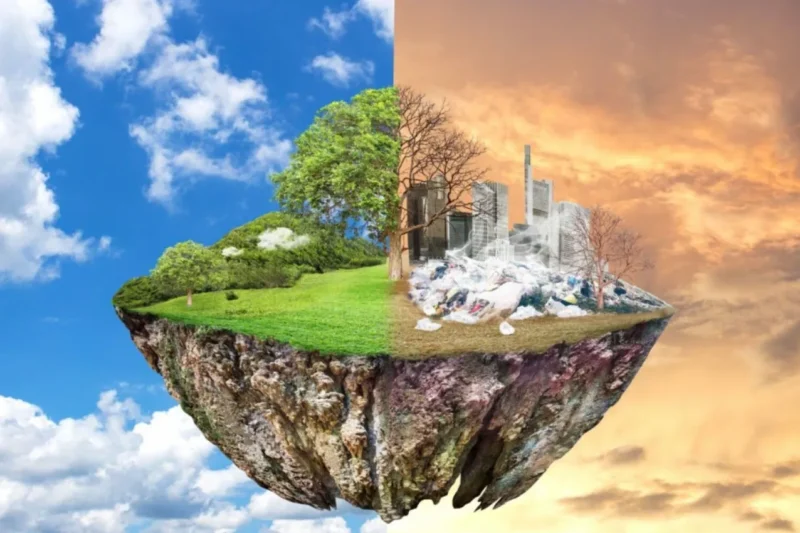
In addition to war and persecution, climate change is emerging as a major driver of displacement. Rising sea levels, extreme weather events, and environmental degradation are forcing communities to relocate, creating a category often referred to as “climate refugees”—a group not formally recognized under current refugee law.
Gaps in Existing Refugee Law
While refugee law provides essential protections, it has notable limitations:
1. Narrow Definition of Refugees
The 1951 Convention does not cover people fleeing environmental disasters, poverty, or generalized violence. This leaves millions without legal protection, despite facing life-threatening conditions.
2. Unequal Responsibility Sharing
Developing countries host the majority of the world’s refugees, often with limited resources. Wealthier nations, despite having greater capacity, sometimes impose strict immigration controls, leading to an imbalance in responsibility.
3. Lengthy Asylum Processes
Asylum seekers often face long waiting periods for legal decisions, during which they may live in uncertainty, detention, or poor conditions. This delays access to basic rights such as employment, education, and healthcare.
4. Rise of Restrictive Policies
In recent years, many countries have tightened their borders and implemented stricter asylum policies. This includes pushbacks at borders, offshore detention, and agreements to transfer asylum seekers to third countries.
Human Rights and Ethical Considerations
The migration crisis raises critical human rights concerns. Refugees are often exposed to exploitation, human trafficking, and unsafe living conditions. Women and children are particularly vulnerable to abuse and violence during migration journeys.
From an ethical standpoint, there is an ongoing debate about national sovereignty versus global responsibility. While countries have the right to control their borders, they also have moral and legal obligations to protect those in need.
The Role of International Organizations
Organizations such as the United Nations High Commissioner for Refugees (UNHCR) play a crucial role in managing the refugee crisis. They provide humanitarian assistance, advocate for refugee rights, and support resettlement efforts.
However, international organizations often face funding shortages and political constraints. Their effectiveness depends heavily on cooperation from individual countries.
Emerging Trends in Global Migration
The nature of migration is changing, and refugee law must adapt accordingly:
- Mixed Migration Flows: Many migrants travel for multiple reasons, including economic hardship and environmental factors, making it difficult to categorize them strictly as refugees or economic migrants.
- Urban Displacement: Increasing numbers of refugees are settling in cities rather than camps, creating new challenges for housing, employment, and integration.
- Digital Borders: Technology is being used to monitor and control migration, raising concerns about privacy and human rights.
The Need for Reform
To address the modern migration crisis effectively, refugee law must evolve. Key areas for reform include:
1. Expanding Legal Definitions
Recognizing climate-induced displacement and other emerging causes of migration would ensure broader protection for vulnerable populations.
2. Strengthening International Cooperation
A fair distribution of responsibility among nations is essential. Initiatives like the Global Compact on Refugees aim to improve burden-sharing, but stronger commitments are needed.
3. Improving Asylum Systems
Faster and more efficient asylum procedures can reduce uncertainty and improve outcomes for refugees.
4. Enhancing Integration Policies
Providing refugees with access to education, employment, and social services helps them contribute positively to host societies.
Regional Perspectives
Different regions face unique challenges in managing migration:
- Europe has struggled with political divisions over refugee intake and border control.
- South Asia, including countries like Bangladesh, hosts large refugee populations such as the Rohingya, placing pressure on local resources.
- Africa experiences both internal displacement and cross-border migration, often with limited international support.
- North America faces debates over immigration policies and border security.
These regional differences highlight the need for tailored approaches within a global framework.
The Impact on Host Communities
The arrival of refugees can have both positive and negative effects on host communities. While there may be concerns about resource allocation and cultural integration, refugees also bring skills, labor, and cultural diversity that can benefit economies and societies.
Successful integration depends on inclusive policies, public awareness, and community engagement.
Looking Ahead
The global migration crisis is unlikely to diminish in the near future. Climate change, geopolitical instability, and economic inequality will continue to drive displacement. Therefore, a proactive and adaptable approach to refugee law is essential.
Governments, international organizations, and civil society must work together to create a system that is both humane and practical. This includes addressing root causes of migration, such as conflict and poverty, while ensuring that those who are displaced receive the protection they deserve.
Conclusion
Refugee law remains a vital tool in protecting vulnerable populations, but it is not without its shortcomings. As the global migration crisis evolves, so too must the legal and policy frameworks designed to manage it. By expanding definitions, improving cooperation, and prioritizing human rights, the international community can move toward a more just and effective response to one of the defining challenges of our time.
Also Read: Low-Maintenance Landscaping Tips: Create a Beautiful Yard with Less Work

Passionate about grammar, language devices, and writing tips, I help writers improve their skills. At boromags.com, I share insights on plural nouns, sentence structure, and clarity. My goal is to make writing easy, engaging, and error-free for everyone.