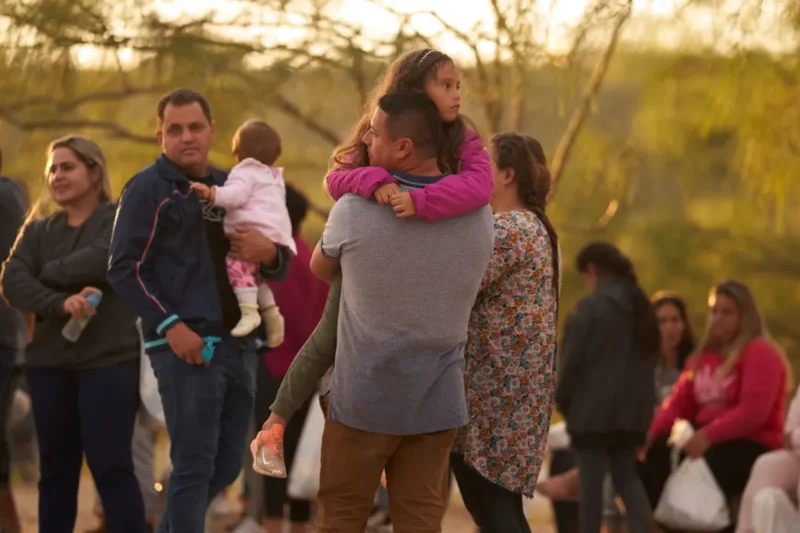

Climate change is no longer a distant threat—it is a present reality affecting ecosystems, economies, and human lives across the globe. Rising temperatures, extreme weather events, melting glaciers, and sea-level rise all signal the urgent need for coordinated action. At the heart of this response lie climate change laws and the principle of global responsibility, both of which play a crucial role in shaping a sustainable future. This article explores how legal frameworks and shared accountability are driving climate action worldwide.
Understanding Climate Change Laws
Climate change laws refer to the legal measures implemented by governments and international bodies to reduce greenhouse gas emissions, promote renewable energy, and protect natural resources. These laws can exist at local, national, and international levels, forming a multi-layered approach to tackling climate change.
At the national level, countries adopt policies such as carbon taxes, emission trading systems, and renewable energy mandates. For example, many nations have introduced laws requiring industries to limit carbon emissions or shift toward cleaner technologies. These laws not only aim to reduce environmental damage but also encourage innovation in green energy sectors.
On the international stage, agreements like the Paris Agreement serve as a cornerstone of global climate governance. Adopted in 2015, the Paris Agreement commits countries to limit global warming to well below 2°C above pre-industrial levels, ideally targeting 1.5°C. Participating nations set their own emission reduction targets, known as Nationally Determined Contributions (NDCs), which are reviewed and updated regularly.
The Role of Governments in Climate Legislation
Governments play a pivotal role in shaping climate change laws. By creating policies that regulate emissions and incentivize sustainable practices, they influence industries, businesses, and individual behavior.
Key areas of government action include:
- Energy transition policies encouraging renewable sources like solar and wind
- Environmental protection laws safeguarding forests and biodiversity
- Sustainable infrastructure development promoting eco-friendly cities
- Climate adaptation strategies preparing communities for climate impacts
Effective climate laws require strong enforcement mechanisms. Without accountability, even well-designed policies can fail. Governments must ensure compliance through monitoring systems, penalties, and transparent reporting.
Corporate Responsibility and Legal Compliance
Businesses are significant contributors to global emissions, making them key players in climate change mitigation. Increasingly, climate change laws are holding corporations accountable for their environmental impact.
Many countries now require companies to disclose carbon emissions, adopt sustainable supply chains, invest in green technologies, and align operations with environmental standards.
Corporate social responsibility has evolved to include climate accountability. Companies that prioritize sustainability not only comply with regulations but also gain a competitive advantage, as consumers increasingly prefer environmentally responsible brands.
Climate litigation is also rising, with governments and individuals taking legal action against corporations that fail to meet environmental obligations. This highlights the growing importance of legal accountability.
Global Responsibility: A Shared Commitment
Climate change is a global issue that transcends national borders. No single country can solve it alone, which is why global responsibility is essential. This concept emphasizes that all nations must contribute to climate action.
However, responsibility is not equal. Developed countries, which have historically contributed the most emissions, are expected to take the lead. This principle is known as “common but differentiated responsibilities.”
Under this framework:
- Developed nations provide financial and technological support
- Developing countries pursue sustainable growth
- International cooperation ensures shared climate goals
Challenges in Implementing Climate Laws
Despite progress, several challenges hinder the effectiveness of climate change laws.
Political and economic pressures often slow transitions away from fossil fuels. Weak enforcement in some regions reduces the impact of policies. Global inequality limits developing nations’ ability to act. Additionally, not all countries meet international commitments, slowing progress.
Addressing these issues requires stronger collaboration, funding, and long-term planning.
The Importance of Public Awareness and Participation
Climate change laws are most effective when supported by public awareness. Citizens play a key role in holding governments and corporations accountable.
Individuals can support sustainability by reducing carbon footprints, advocating for policy change, and participating in environmental initiatives. Public pressure has already driven significant policy shifts worldwide.
Innovations Driving Climate Action
Technological innovation is a powerful force in combating climate change. Climate laws often encourage advancements in renewable energy, carbon capture, electric vehicles, and sustainable agriculture.
These innovations reduce emissions while creating economic opportunities. Collaboration between governments and businesses is essential to scale these solutions globally.
The Future of Climate Governance
The future of climate change laws depends on stronger international cooperation and more ambitious targets. Countries are increasingly adopting net-zero emission goals and expanding carbon pricing systems.
Climate considerations are becoming integrated into all sectors, while financial support for vulnerable nations continues to grow. Global responsibility will remain central to achieving these goals.
Conclusion
Climate change laws and global responsibility are closely connected. Legal frameworks provide the structure for action, while shared accountability ensures collective progress.
Real change requires commitment from governments, businesses, and individuals. By strengthening laws, encouraging cooperation, and adopting sustainable practices, the world can move toward a resilient and environmentally secure future.
Also Read: Refugee Law and the Global Migration Crisis: Challenges, Gaps, and the Path Forward

Passionate about grammar, language devices, and writing tips, I help writers improve their skills. At boromags.com, I share insights on plural nouns, sentence structure, and clarity. My goal is to make writing easy, engaging, and error-free for everyone.