
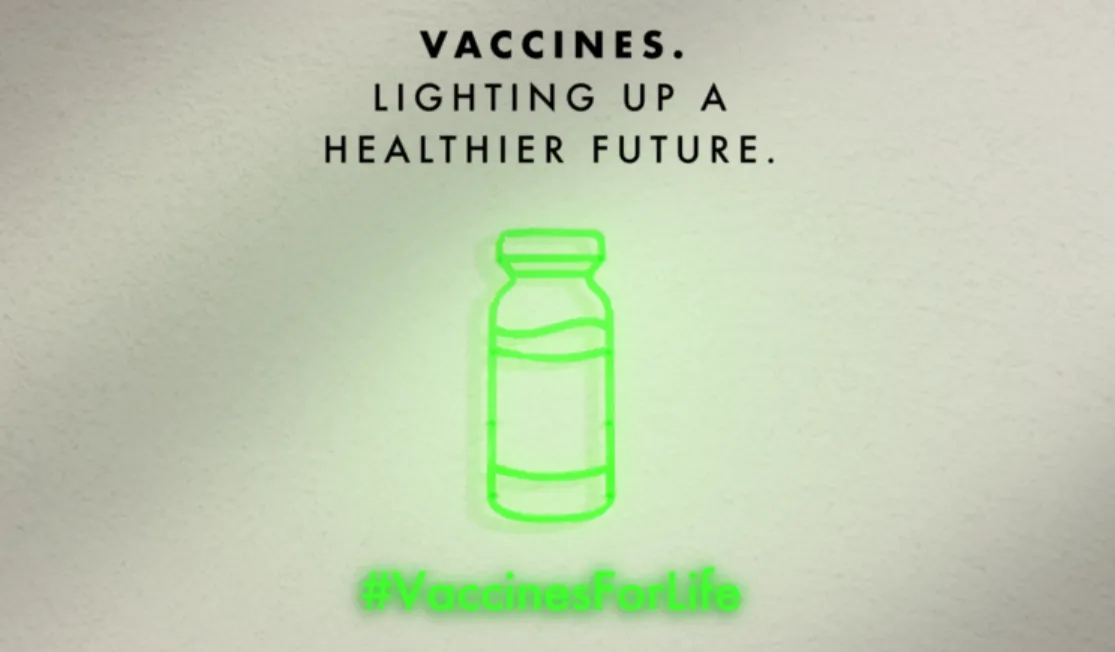
Vaccination is one of the most effective and life-saving public health interventions in human history. It has played a crucial role in preventing the spread of infectious diseases, reducing mortality rates, and improving overall global health. From eradicating smallpox to controlling polio and measles, vaccines have transformed the way societies fight illness. Understanding the importance of vaccination is essential not only for individual protection but also for safeguarding entire communities.
What is Vaccination?
Vaccination is a medical process that helps the immune system recognize and fight harmful pathogens such as bacteria and viruses. Vaccines contain weakened or inactive parts of a particular organism that trigger an immune response without causing the disease itself. Once vaccinated, the body develops immunity, making it easier to fight off the infection in the future.
Why Vaccination is Important
1. Prevents Deadly Diseases
One of the primary reasons vaccination is important is its ability to prevent life-threatening diseases. Diseases such as measles, polio, tetanus, and diphtheria once caused widespread suffering and death. With the introduction of vaccines, many of these diseases have been controlled or nearly eliminated. Vaccination significantly reduces the risk of infection and complications associated with these illnesses.
2. Protects Future Generations
Vaccines not only protect individuals but also help protect future generations. For example, smallpox has been completely eradicated worldwide due to successful vaccination campaigns. This means that future generations no longer need to worry about this deadly disease. Continued vaccination efforts can lead to the elimination of more diseases, ensuring a healthier future for all.
3. Builds Herd Immunity
Herd immunity occurs when a large portion of a population becomes immune to a disease, making its spread unlikely. Vaccination plays a key role in achieving herd immunity. When enough people are vaccinated, even those who cannot receive vaccines—such as newborns, elderly individuals, or people with weakened immune systems—are protected. This collective protection is essential in preventing outbreaks.
4. Reduces Healthcare Costs
Preventing diseases through vaccination is far more cost-effective than treating them. Hospitalization, medication, and long-term care for preventable diseases can be expensive. Vaccines reduce the burden on healthcare systems by minimizing the number of cases and complications. Governments and healthcare providers save billions of dollars each year through vaccination programs.
5. Controls Disease Outbreaks
Vaccination is a powerful tool in controlling and stopping disease outbreaks. When vaccination rates drop, diseases can quickly resurface. For example, measles outbreaks have occurred in regions with low vaccination coverage. Maintaining high vaccination rates ensures that diseases remain under control and do not spread rapidly within communities.
6. Protects Global Health
In today’s interconnected world, diseases can spread quickly across borders. Vaccination helps protect global health by preventing the international spread of infectious diseases. Travelers can carry diseases from one country to another, but widespread vaccination reduces this risk. International vaccination programs play a crucial role in maintaining global health security.
7. Saves Lives
Vaccines save millions of lives every year. According to global health organizations, vaccination prevents between 3.5 to 5 million deaths annually from diseases such as influenza, measles, and whooping cough. These numbers highlight the immense impact vaccines have on reducing mortality and improving life expectancy worldwide.
Common Misconceptions About Vaccination
Despite the proven benefits, there are still misconceptions about vaccines. Some people believe vaccines are unsafe or unnecessary. However, vaccines undergo rigorous testing and continuous monitoring to ensure their safety and effectiveness. Side effects, if any, are usually mild and temporary, such as slight fever or soreness at the injection site.
Another misconception is that natural immunity is better than vaccine-induced immunity. While natural infection can provide immunity, it often comes with serious risks and complications. Vaccination offers a safer way to develop protection without suffering from the disease itself.
The Role of Vaccination in Pandemic Control
The COVID-19 pandemic demonstrated the critical role of vaccination in controlling global health crises. Vaccines helped reduce the severity of the disease, lower hospitalization rates, and save countless lives. Mass vaccination campaigns enabled countries to recover and return to normal activities more quickly. This example highlights how essential vaccines are in responding to emerging health threats.
Importance of Childhood Vaccination
Childhood vaccination is especially important as children are more vulnerable to infections. Immunization schedules are designed to protect children at an early age when they are most at risk. Vaccines such as BCG, measles, polio, and hepatitis B are vital in ensuring healthy growth and development. Parents play a key role in ensuring their children receive all recommended vaccines on time.
Vaccination and Public Awareness
Raising awareness about the importance of vaccination is essential to maintaining high immunization rates. Education campaigns, community outreach, and government initiatives help inform people about the benefits and safety of vaccines. Combating misinformation is crucial in encouraging more individuals to get vaccinated and protect their communities.
Challenges in Vaccination
Despite its importance, vaccination faces several challenges, especially in developing regions. Limited access to healthcare, lack of awareness, and logistical issues can hinder vaccination efforts. Additionally, vaccine hesitancy—caused by fear or misinformation—remains a significant barrier. Addressing these challenges requires collaboration between governments, healthcare providers, and communities.
Conclusion
Vaccination is a cornerstone of modern medicine and public health. It prevents deadly diseases, saves lives, and protects communities through herd immunity. By reducing healthcare costs and controlling outbreaks, vaccines contribute to a healthier and more sustainable world. The importance of vaccination cannot be overstated—it is not just a personal choice but a collective responsibility.
Ensuring widespread access to vaccines, promoting awareness, and combating misinformation are essential steps toward a disease-free future. By embracing vaccination, we can protect ourselves, our loved ones, and generations to come.
Also Read: The Environmental Impact of Fast Fashion: A Growing Global Crisis

Passionate about grammar, language devices, and writing tips, I help writers improve their skills. At boromags.com, I share insights on plural nouns, sentence structure, and clarity. My goal is to make writing easy, engaging, and error-free for everyone.